- AI Business Insights
- Posts
- Use ChatGPT for Strategy, Not Just Writing
Use ChatGPT for Strategy, Not Just Writing
Reverse Engineer what Hooks
I used to think ChatGPT was basically a faster version of Google Docs. I would type a prompt, get a draft, tweak a few words, and hit publish. It felt productive, but my results barely moved. Then I saw this creator break down a totally different way to use AI, and it was one of those “oh… that’s what I’ve been missing” moments. The punchline is simple: if you only use ChatGPT to write, you’re leaving the real leverage on the table. The bigger win is using it to think.
Using ChatGPT solely to write your content can quietly hold you back from real growth. The real shift happens when you treat AI like a strategist instead of a copywriter. I recently stumbled upon a sharp breakdown by this industry pro that flips how we should interact with these tools. Their point is not “write more,” it is “analyze better,” because the creators who grow are the ones who stop guessing what works.
In partnership with

Better prompts. Better AI output.
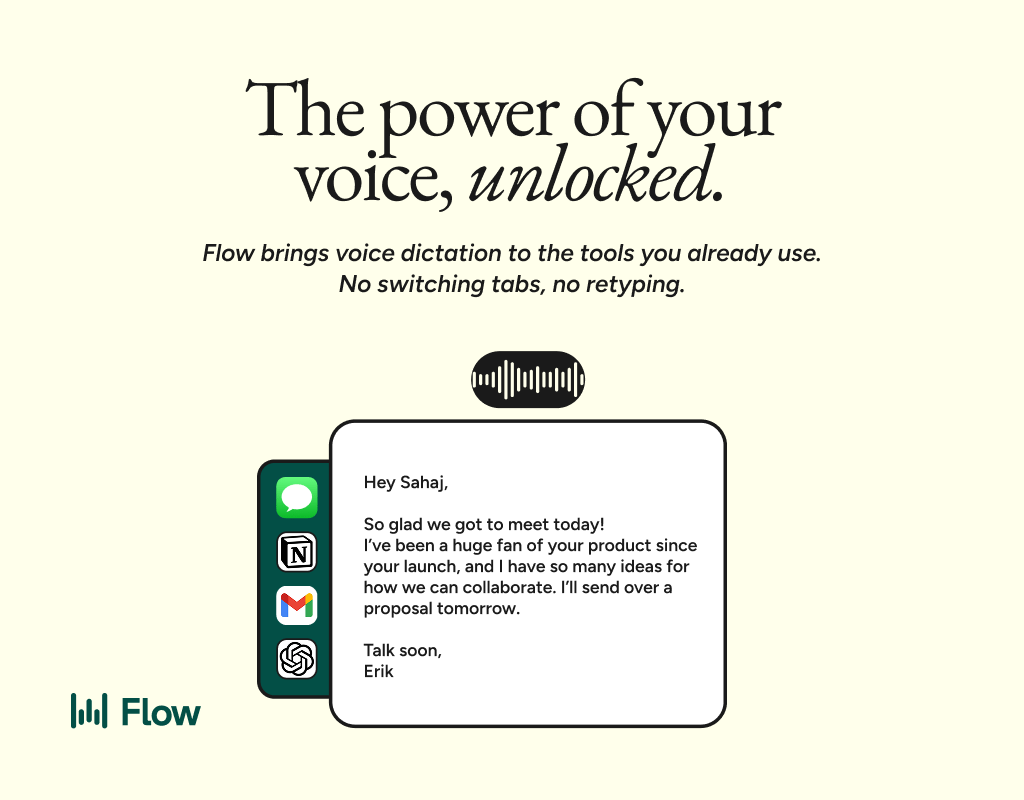
AI gets smarter when your input is complete. Wispr Flow helps you think out loud and capture full context by voice, then turns that speech into a clean, structured prompt you can paste into ChatGPT, Claude, or any assistant. No more chopping up thoughts into typed paragraphs. Preserve constraints, examples, edge cases, and tone by speaking them once. The result is faster iteration, more precise outputs, and less time re-prompting. Try Wispr Flow for AI or see a 30-second demo.
The Mechanic: Reverse Engineering Attention
The core mechanism here is shifting from creation to diagnosis. Instead of asking for another generic post, you feed the AI your past content and competitor content, then force it to spot patterns. Think of it like having a blunt data nerd in your pocket who does not care about your feelings, only your results. When you identify hook strength, value density, and flow, you stop operating on vibes and start making choices you can defend.
Here are the two prompts the author shared to make this practical:
LinkedIn Content Performance Diagnostic:
“Act As A Senior LinkedIn Growth Strategist. Analyze My Last [X] LinkedIn Posts Pasted Below.
For Each Post, Evaluate Hook Strength, Clarity Of The Core Idea, Value Density, Emotional Resonance, Scroll Stopping Potential, Structure Flow, And Likelihood Of Saves Or Comments.
Identify Recurring Patterns Across High And Low Performing Posts.
Highlight What’s Working, What’s Underperforming, And What Is Missing.
Then Summarize 5 Specific, Actionable Insights I Should Apply To Future Content To Improve Reach, Engagement, And Follower Growth.”
Competitor Content Pattern Analysis:
“Act As A LinkedIn Competitive Intelligence Analyst.
I Will Paste Content From [3–5] LinkedIn Creators In My Niche. Analyze Their Posts To Identify Repeating Patterns In Hooks, Post Length, Formatting, Narrative Style, CTA Usage, Topic Selection, And Emotional Triggers.
Break Down What Makes Their Content Consistently Engaging.
Identify Which Elements Are Replicable Versus Personality Dependent. Conclude With A Clear List Of Strategic Patterns I Can Ethically Adapt To Improve My Own LinkedIn Growth.”
Why This Approach Works
Self-auditing is the part most people skip, because it is uncomfortable. This creator’s first prompt basically holds up a mirror and forces you to look at your work like a strategist would. You are not asking “is this good,” you are asking “why did this perform the way it did.” That difference is what turns random effort into an improvement plan.
Learning from the market matters because your niche has its own rules. The second prompt pushes you to study what consistently earns attention without sliding into copying. It helps you separate structure from personality, which is a huge unlock. Once you can name the patterns, you can adapt them ethically and still sound like yourself.
Intent over volume is the mindset that ties it together. If you give AI vague instructions, you get vague output, and it blends into the same beige content everyone scrolls past. But when you give clear context and goals, it becomes a thinking partner that helps you outline, argue, and prioritize. The real win is posting with intent and leverage, not just posting more often.
Will Your Retirement Income Last?

A successful retirement can depend on having a clear plan. Fisher Investments’ The Definitive Guide to Retirement Income can help you calculate your future costs and structure your portfolio to meet your needs. Get the insights you need to help build a durable income strategy for the long term.
*Ad
Other awesome AI guides you may enjoy
Potential Pitfalls
There is a trap here, and it is easy to fall into. If you skip the human review step, you will sound robotic, even if the structure is strong. Generic prompts produce generic results, and audiences can feel it instantly. Keep your perspective, sanity-check your claims, and make sure your writing still has a pulse.
