- AI Business Insights
- Posts
- Ten AI tools, zero return
Ten AI tools, zero return
Stop collecting tools, build systems
In partnership with

A business buys ten AI subscriptions and waits for the magic. The magic never shows up. We have all watched this happen, maybe inside our own walls, and it stings because the spend was real and the result was nothing.
A sharp post from one of the people who helped build Mindstream put words to why. The creator's point is blunt: most companies collect AI tools, but the ones pulling ahead build AI systems. That gap is the whole ballgame right now.
Voice dictation that doesn't mangle your syntax.
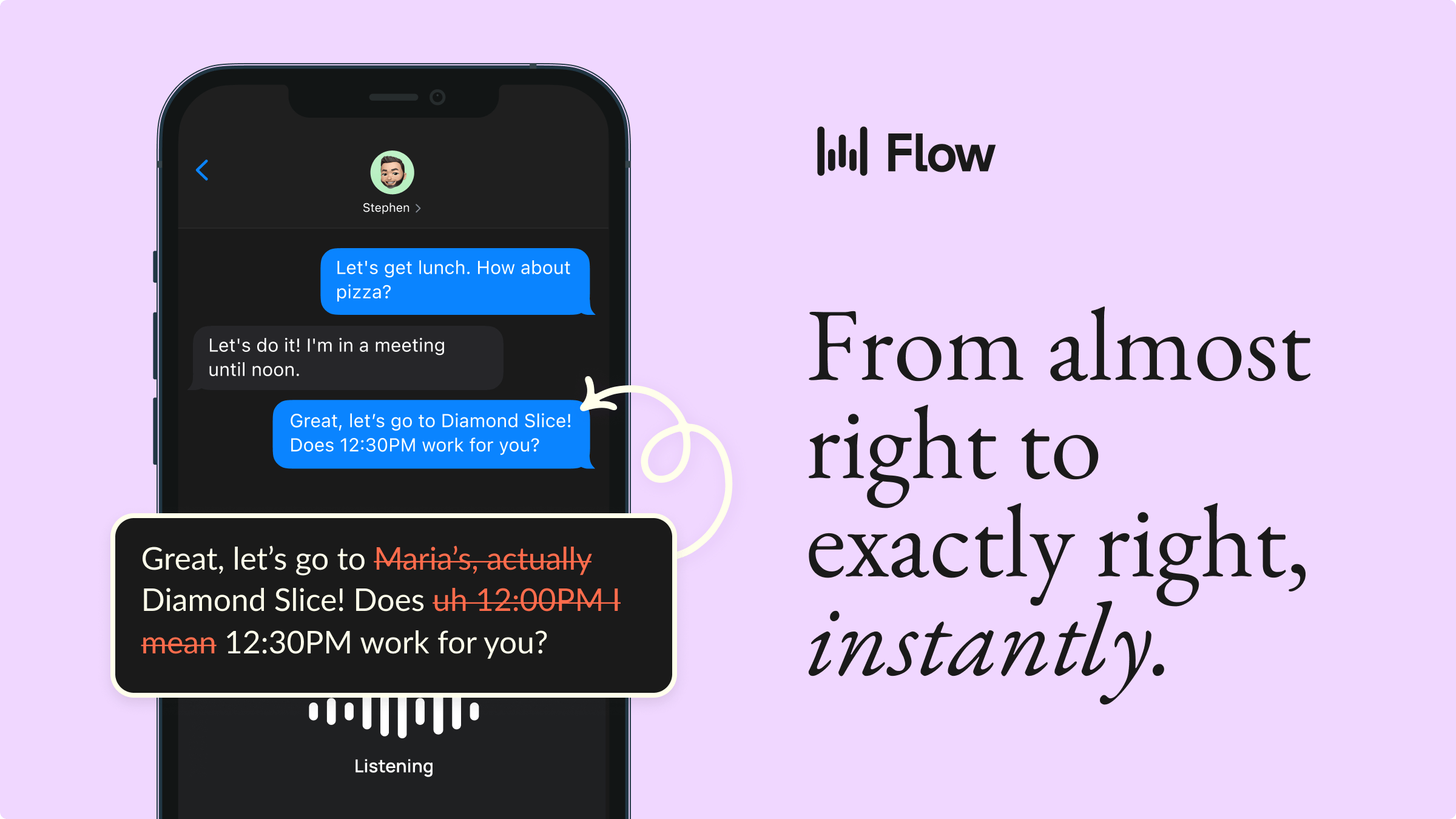
Most dictation tools choke on technical language. Wispr Flow doesn't. It understands code syntax, framework names, and developer jargon — so you can dictate directly into your IDE and send without fixing.
Use it everywhere: Cursor, VS Code, Warp, Slack, Linear, Notion, your browser. Flow sits at the system level, so there's nothing to install per app. Tap and talk.
Developers use Flow to write documentation 4x faster, give coding agents richer context, and respond to Slack without breaking focus. 89% of messages go out with zero edits. Free on Mac, Windows, and iPhone.
*Ad
Why Tools Alone Go Nowhere
The author frames it with numbers that land hard: 78% of global enterprises already run at least one AI workflow, 92% of Fortune 500 firms have LLMs inside operations, and every dollar invested returns an average of $5.44 within three years. So tools are not the bottleneck.
The real issue: businesses keep stacking software with no connective tissue between any of it. Fifteen tools, zero integration, zero return. Founders buy software as a strategy and hope the tools do the thinking for them.
The Six-Month Roadmap Worth Stealing
Here is where the post turns genuinely useful. The expert lays out a phased plan you can start Monday: weeks one and two, map every repetitive task and tag each as automate, augment, or keep human, then pick three. Focus beats ambition.
Weeks three and four, get the team on a shared foundation model with prompt libraries for your five most common workflows. This is the step most people skip: shared prompts mean the whole team levels up at once. That is where compounding starts.
Month two ships one automation that saves real hours. The contributor's line is worth repeating: one working automation beats ten tools you never use. Proof beats potential.
From Scripts To Systems That Reason
Months four through six is the jump I find most interesting. The shift the author describes is small but heavy: if this then that becomes if this, then think, then act. That is the move from scripts to agents that reason.
What struck me most was the order of it all. You map before you build, prove before you expand, automate before you reach for agents. No phase asks you to bet big on faith.
No theory. No slides. Just pipeline.

Most founders know their product. Few know how to get it in front of the right people. In this hands-on session, Clay + HubSpot for Startups walk you through ICP definition, prospect list enrichment, and AI-personalized outreach. You launch your first sequence before the session ends. June 18. 11am ET / 4pm GMT.
*Ad
The Boring Edge Nobody Builds
Here is why I think this matters: everyone has access to the same models. What they do not have is the disciplined plumbing that turns a model into a dependable part of the business. The original poster nails it: the advantage is governed, reliable workflows competitors haven't built.
Governance and reliability sound unsexy, and that is precisely why so few teams do the work. The expert points out that most companies over-invest in tools and under-invest in prompt engineering. That gap is where the edge hides. In a space drunk on hype about the newest model, a calm roadmap feels almost rebellious. If you want the full phase-by-phase breakdown, read the original article on Cyber Corsairs.
This is a patient, smart approach for any founder tired of buying tools without a system behind them. If you want to see the complete walkthrough, check out the original article and ask yourself where you sit on the roadmap right now.
Credits to the Mindstream contributor behind the original LinkedIn breakdown.*Ad
Hiring in 8 countries shouldn't require 8 different processes

This guide from Deel breaks down how to build one global hiring system. You’ll learn about assessment frameworks that scale, how to do headcount planning across regions, and even intake processes that work everywhere. As HR pros know, hiring in one country is hard enough. So let this free global hiring guide give you the tools you need to avoid global hiring headaches.